Data breaches are now a weekly news cycle. Each one quietly increases your exposure to phishing, credential stuffing, and identity theft. Temporary email cannot stop breaches — but it can dramatically shrink how much of you ends up inside one.
If you have an email address that is more than five years old, there is a strong chance it is already in at least one breach database. Billions of account records have been exposed in data breaches over the years. Each breach leaks a slightly different combination of fields — some leak only addresses, others leak password hashes, others leak names and phone numbers — but the join key across all of them is almost always your email.
What attackers actually do with leaked emails
A leaked email address rarely sits idle. Within weeks of a breach being made public, the address typically appears in three places: bulk spam lists for low-effort campaigns, credential-stuffing botnets that try the leaked password against every other service, and targeted phishing lists where the attacker combines leaked context into convincing fake messages.
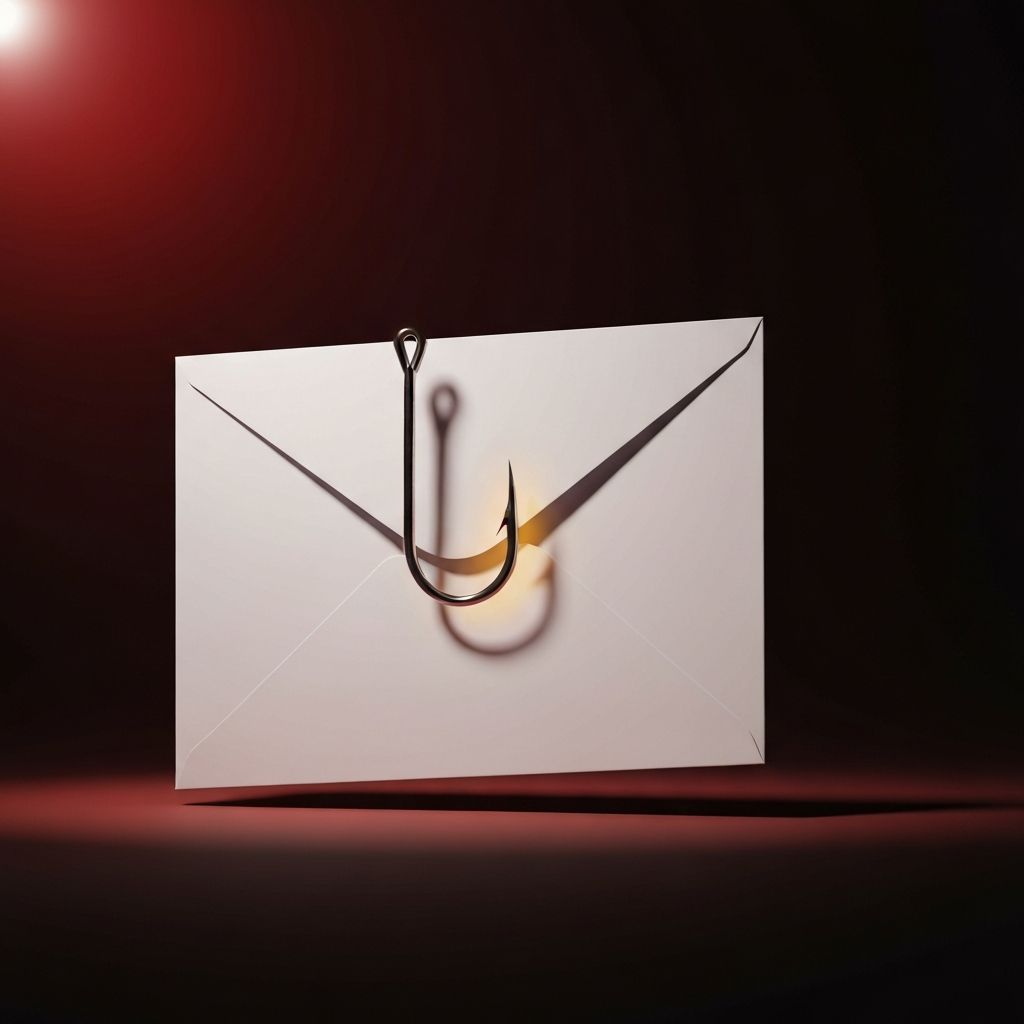
How disposable email reduces the blast radius
Disposable email does not stop breaches — nothing on your end can — but it dramatically reduces how much you lose when one happens. If the breached service was used with a disposable address, three things go right: the address is trivially abandoned, there is no chain of correlation to your real identity, and no other account of yours uses that address, so credential stuffing fails on the very first attempt.
A risk-based signup approach

- High risk (real address, unique password, 2FA): banking, healthcare, government, primary identity, anything with money.
- Medium risk (real address, unique password, 2FA where possible): productivity, social, work tools you rely on.
- Low risk (disposable address): one-off signups, trials, downloads, forums, contests, anything you would not be sad about losing.
Why this is now table stakes
A separate email address can reduce exposure of a primary inbox in a breach, but it does not prevent identity correlation through technical, account, payment, or behavioral data.
Frequently Asked Questions
How does disposable email protect me in a data breach?
When a service you signed up with is breached, the leaked data contains your disposable address — not your real email. That address is trivially abandoned, there is no chain of correlation back to your real identity, and credential stuffing fails immediately because no other account of yours uses that address.
What do attackers actually do with leaked email addresses?
Leaked addresses typically appear in three places quickly: bulk spam lists for low-effort campaigns, credential-stuffing botnets that try the leaked password against dozens of other services, and targeted phishing lists where attackers use leaked context to craft convincing fake messages.
What is credential stuffing and how does temp email prevent it?
Credential stuffing is an automated attack where bots try a leaked username and password pair against many other sites. If the breached account used a disposable address, the attack fails at the very first step — no other account shares that address, so there is nothing to stuff.
Should I use a disposable email for every site I visit?
Use it for low-trust signups: trials, downloads, forums, contests, and one-off interactions. For banking, healthcare, government, and services where long-term access matters, use your real address with a strong unique password and two-factor authentication enabled.
Can I recover a Tmail.pk inbox to access old messages?
Yes — save your Tmail.pk email address and password at the moment the inbox is created. You can log back into the same mailbox from any device for as long as the inbox stays active (30-day inactivity window for guest inboxes; registered accounts are permanent).
#breach#security#phishing#credential stuffing